Connecting Curiosity with QR-Linked Learning Stops
Together with librarians and museum educators, we explore partnering with libraries and museums to curate QR-linked learning stops that turn hallways, stacks, and exhibit corners into tiny classrooms. Discover how collaborations, content design, signage, and analytics can welcome every visitor, spark lifelong learning, and invite communities to co-create knowledge in place. Share your ideas, tell us what stops you’d love to scan next, and subscribe for ongoing playbooks from the field.
Foundations of a Strong Cultural Partnership
Great partnerships begin with shared purpose. Align missions, clarify audience needs, and name the unique strengths each institution brings—the librarian’s local insight, the curator’s interpretive craft, the technologist’s delivery. Establish transparent decision-making, equitable credit, and simple rituals that keep momentum alive, from check-ins to celebratory walkthroughs.
Map the Stakeholders and Shared Purpose
Begin by mapping who cares and why: youth, caregivers, teachers, accessibility advocates, artists, neighborhood historians, and facility staff. Capture hopes, constraints, and success signals on a single page. That living map will guide choices when excitement grows loud, budgets tighten, or signage real estate feels impossibly small.
Co-create Roles, Workflow, and Stewardship
Define who drafts micro-lessons, who approves, who prints labels, and who replies to feedback. Use a simple kanban or shared calendar to reveal bottlenecks. Stewardship matters after launch: schedule content refreshes, hardware checks, and seasonal rotations so the journey remains fresh and community voices continue shining.
Craft a Lightweight Agreement that Builds Trust
Keep paperwork friendly, plain, and focused on care: attribution, accessibility standards, content ownership, privacy, and photo permissions. Add a dispute path that starts with conversation. Promise shared storytelling in newsletters and events. Protective enough to prevent surprises, gentle enough to invite experimentation and joyful, collective learning.
Designing the Learning Stops
Treat every stop as a small stage where place, object, and story meet. Varied attention spans deserve varied formats: thirty-second audio, a quick prompt, a deeper dive for later. Build for universal design, clear wayfinding, and delight, so discovery feels possible for every visitor, every time.
Content that Teaches in Seconds
Write Micro-Lessons that Invite Action
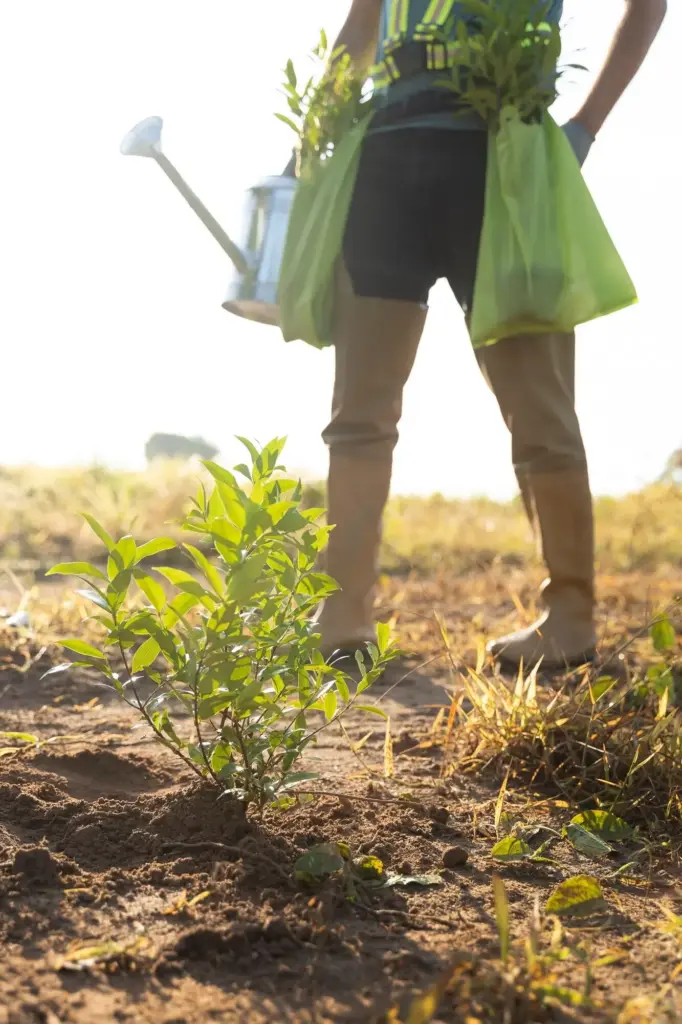
Start with a hook, pose a question, and propose a doable action in under a minute: sketch a pattern, compare dates, interview a grandparent, record a sound. Close with a reflection. Micro-wins today lead to bigger projects, confidence, and community stories returning to the collection.
Make Media Accessible and Multilingual
Publish transcripts, audio descriptions, alt text, and readable captions. Offer at least two community languages from day one, with space to add more. Keep contrast strong and touch targets large. Accessibility is not an afterthought; it is the welcome mat that broadens participation and deepens belonging.
Invite Youth and Elders to Co-author
Run pop-up recording booths, zine tables, and oral history days. Pay stipends when possible. Feature student reviews of books and objects alongside curator notes. When residents see their words beside institutional voices, trust grows, visits increase, and the stops transform into a living neighborhood archive.
The QR and Platform Stack
Choose Codes, Links, and Content Hubs
Decide between per-stop codes or a single code that routes by location. Use human-readable slugs and UTM tags to understand discovery paths. A simple CMS with roles prevents mishaps. Backups and export options ensure content survives staff changes, funding cycles, and evolving devices without painful migrations.
Design Durable Signage and Wayfinding
Pick materials that last where they live: laminated cards for stacks, aluminum plates for outdoors, vinyl for glass. Test adhesives and legibility at distance. Add clear calls to action with icons. Consistent visual language keeps visitors oriented, reduces staff questions, and turns scanning into instinct.
Respect Data, Privacy, and Reliability
Use analytics to understand aggregate behavior, not to profile individuals. Publish a friendly privacy note near the code. Minimize cookies, collect only essentials, and rotate links when needed. Monitor uptime and broken links, responding quickly, so trust grows with every scan, season, and school visit.
Programs that Spark Participation
QR-linked stops thrive when wrapped in programs. Launch with a family night, a librarian-led walk, or a curator AMA. Offer scavenger cards, reading lists, and maker prompts. Celebrate contributions with small exhibits or playlists. Participation grows when recognition feels authentic, local, and joyfully shareable online and offline.
Create Educator Toolkits and Field Trips
Bundle lesson plans, pacing guides, and printable reflection cards tied to stops. Add options for different time windows and group sizes. Offer pre-visit and post-visit activities. When teachers feel supported, they return with new cohorts, and students arrive eager, scanning with purpose and pride.
Run Community Challenges and Badges
Invite residents to complete routes and earn digital badges, bookmarks, or stickers designed by local artists. Share leaderboards lightly, focusing on stories rather than scores. Challenges create playful accountability, turning occasional visits into habits that strengthen bonds with collections, librarians, and neighborhood caretakers over time.

Blend Events with Collections and Neighborhoods
Host poetry walks linking shelves to street plaques, science nights that connect instruments to riverbanks, or history rides pairing archives with murals. Partner with local businesses for snacks and prizes. When learning crosses thresholds, the city becomes a campus and curiosity becomes a lifelong neighbor.
Evaluate Learning with Mixed Methods
Combine short intercept interviews, QR polls, and classroom reflections with scan counts and dwell time. Track which prompts trigger creations shared back to the library or museum. Celebrate learning gains publicly, then refine the quiet failures compassionately. Evidence builds trust with boards, funders, and neighbors alike.
Train Staff, Volunteers, and Student Docents
Offer micro-trainings on scanning etiquette, troubleshooting phones, and greeting accessibility needs with kindness. Provide quick-reference cards behind desks. Recruit teens as digital docents with service hours. When everyone can help, technology anxiety fades, and visitors feel welcomed by a chorus rather than a single voice.
Pursue Grants, Sponsorship, and Sustainable Budgets
Match proposals to civic outcomes: literacy, belonging, wellness, STEM pathways, or creative careers. Invite funders on a walkthrough to experience a scan firsthand. Budget for maintenance, translations, and staff time. Diversified support protects public missions, ensuring access remains free while the network grows with responsible ambition.
All Rights Reserved.