
Learning in the Open: Inclusive QR Journeys for Everyone
Foundations for Equitable Outdoor QR Learning
Multimodal Content That Meets Every Learner
Wayfinding and Physical Access Outdoors
01
Contrast, placement, and tactile cues
Give signs strong color contrast and ample white space, and mount them within reach for seated users without requiring awkward stretching. Add Braille or raised lettering where feasible, plus tactile arrows that guide fingers toward a code. Plant posts securely to avoid wobble. Avoid placing codes behind bushes or across uneven rocks. These small decisions reduce effort, conserve energy, and communicate an unspoken message: you are anticipated, welcomed, and supported throughout the experience.
02
Maps, beacons, and offline hints
Use step-counting directions, simple landmark references, and downloadable maps that work without reception. Consider Bluetooth beacons where appropriate, but never rely solely on them. Provide text-only route summaries and high-contrast map versions. Place reassurance markers along longer paths, and include emergency contact info plus location identifiers. Build redundancy: QR, NFC, short URL, and printed instructions. When one method fails, another should easily succeed, safeguarding both safety and confidence for independent exploration.
03
Weatherproof and durable installations
Outdoor learning meets sun, rain, snow, and curious wildlife. Use UV-resistant inks, anti-glare laminates, rounded edges, and vandal-resistant fixtures. Re-check scannability after storms, snowmelt, or seasonal growth. Include a maintenance checklist and a reporting form by code or SMS. Share updates transparently so visitors know issues are heard and fixed. Durability is not just cost-saving—it protects continuity, inclusion, and the simple dignity of arriving and finding everything dependable and ready.
Low-bandwidth design and smart caching
Device diversity and assistive compatibility
Culturally Responsive and Multilingual Approaches
Local stories and community knowledge
Gather narratives from park rangers, elders, youth leaders, artists, and historians. Credit contributors prominently and invite updates that keep stories living and relevant. When sensitive topics arise, consult community guidance and provide content warnings with alternatives. Pair scientific facts with cultural interpretations to deepen meaning. Encourage visitors to submit reflections in their own words, celebrating multiple truths that coexist on the same trail, bridge, shoreline, or grove.
Multiple languages and dialects
Present language choices upfront without burying them in menus. Use human translation where possible, and clearly label machine-assisted versions when used. Offer audio options recorded by native speakers to honor rhythm, humor, and nuance. Keep UI consistent across languages, and let visitors switch without losing progress. Invite community reviewers to propose idiomatic improvements, ensuring phrasing feels welcoming, relevant, and dignified across varied backgrounds and reading levels.
Intergenerational, family-friendly challenges
Design scavenger tasks and reflection prompts that feel fun for kids and meaningful for adults. Provide adjustable difficulty, visual supports, and safety tips. Encourage cooperative roles—listener, spotter, navigator—so each person contributes. Include quieter sensory moments and energetic movement options. Share printable versions for those who prefer analog methods. Ask families to post suggestions or photos, with clear consent guidance, to inspire other groups exploring together at their own pace.
Motivation, Assessment, and Feedback Loops
Choice-based challenges and badges
Formative check-ins that include everyone
Practical Craft: QR Design, Content Ops, and Maintenance
Field Pilots and Lessons Learned
Mixed-ability park trail experience
A pilot along a lakeside loop paired high-contrast QR plaques with audio stories and easy read summaries. Wheelchair users highlighted the value of shaded resting spots near each stop. Blind hikers appreciated tactile arrows guiding fingers to codes. Families loved offline bundles when reception dropped. The biggest lesson: redundancy wins. Multiple access pathways, tested under wind and glare, transformed a scenic stroll into a welcoming classroom for everyone.
School partnership in a museum garden
Middle-schoolers collaborated with Deaf mentors and elders to co-author plant stories in multiple languages. Students filmed signed introductions, wrote plain-language leaflets, and recorded audio in their home dialects. Teachers reported improved participation from learners who rarely spoke up indoors. Attendance rose on family days, and community gardeners offered seasonal updates. The key: shared ownership and culturally grounded narratives made learning feel like an invitation, not an assignment graded from afar.
Rural scout program with limited coverage
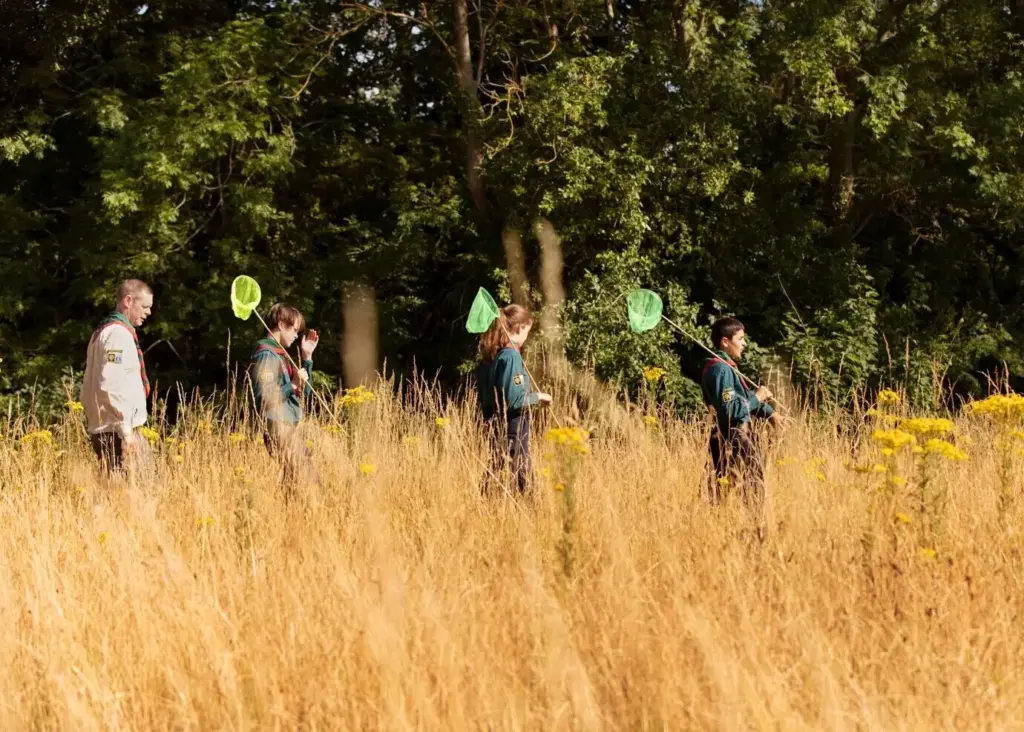
A troop mapped a hillside route using downloadable packs, text-first pages, and printable clues. Spotty service turned from obstacle to adventure, as learners compared plant textures and left voice reflections for later upload. Elders shared land history via phone call hotlines linked from codes. The approach showed how low-tech resilience, respectful storytelling, and simple redundancy can unlock confident participation far from towers, screens, and charging outlets.
All Rights Reserved.