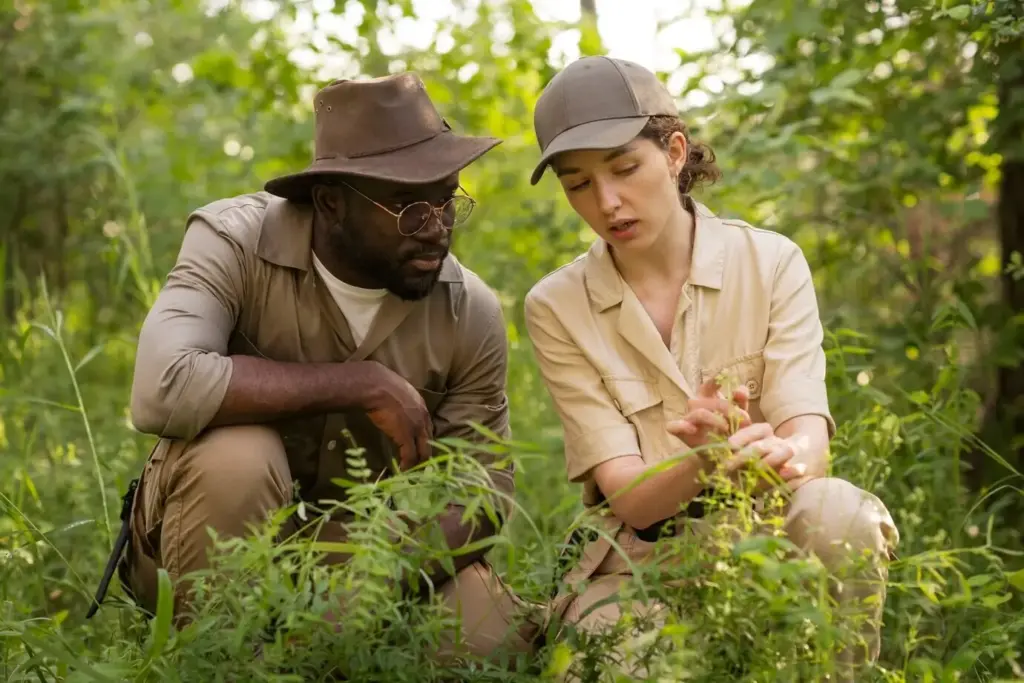
Scan, Solve, Explore: Turning Your Block into a STEM Playground

Join us as we unpack gamified QR scavenger hunts for neighborhood STEM learning, transforming sidewalks, parks, and storefronts into live labs. With a phone camera and curious minds, families and students scan codes, unlock puzzles, run bite‑size experiments, and collect collaborative wins. Expect smart design tips, safety essentials, inclusive practices, and playful mechanics that nurture real understanding while celebrating your community’s unique character and history.

Designing the Hunt: Mapping Local Landmarks into Challenges

Start by walking your route with a learner’s eye, noticing spots that naturally invite questions: a mural’s geometry, a creek’s water flow, the bus stop’s schedule math. Balance distance, difficulty, and pacing so curiosity compounds rather than stalls. Ensure visibility, permissions, and accessibility, and weave in neighborhood stories locals cherish. The goal is a path that feels like discovery, not homework, where every scan rewards movement, observation, and dialogue.

Choosing Sites with Purpose

Favor places that spark measurable noticing: shadows that shift by hour, benches with repeating patterns, drains leading to streams. Check safety, traffic, lighting, and permissions, and make sure signage is readable from a comfortable distance. Include ramps, wide sidewalks, and rest options so participants of different ages and abilities can enjoy the journey together.

Balancing Difficulty and Flow

Sequence easier, confidence‑building scans early, then layer richer puzzles that depend on observations already made. Offer optional challenges so advanced learners stretch while newcomers never feel lost. Use varied media—images, audio, simple simulations—to refresh attention and reduce cognitive fatigue between clues.

Embedding Local Stories

Connect problems to names, places, and histories neighbors recognize: the baker’s oven temperatures, the library’s circulation statistics, the park’s native plants. When puzzles illuminate familiar details, participants feel proud of where they live, and motivation grows from belonging as much as from points or prizes.

Building QR Content: From Simple Clues to Interactive Micro-Labs

Design mobile-first pages that load fast and work offline when possible. Keep instructions concise, actions concrete, and feedback immediate. Mix quick checks, data collection, and mini experiments using household materials. Favor the browser over mandatory apps, and use clear alt text, captions, and multilingual support so everyone can participate.

Crafting Pages that Teach, Not Just Tell

Each scan should prompt doing: measure a shadow with your shoe, count passing buses for probability, compare leaf shapes to infer habitat. Build tiny input forms or sliders so learners test ideas immediately. Replace vague praise with specific hints that coach observation, prediction, and iteration without spoiling the fun.

Media, Interactivity, and Accessibility

Use compressed images, subtitles, and descriptive audio for visual content. Offer transcripts and large tap targets for younger hands and assistive devices. Avoid auto‑play. Keep color choices high‑contrast, and ensure tasks have tactile or auditory alternatives so learning continues even when screens glare or data signals fade.

QR Codes that Age Gracefully

Prefer dynamic codes pointing to stable short links you control. If a clue needs updating, you revise the destination rather than reprinting stickers. Add small human‑readable URLs below each code as a fallback. Test scans in low light, at odd angles, and on older devices before launch.

Gamification Mechanics that Motivate Without Pressure

Design for joy and mastery rather than leaderboard anxiety. Use points, badges, and collectibles to acknowledge perseverance, observation, and teamwork, not just speed. Provide alternate paths, hint tiers, and co‑op objectives so families with different ages or languages contribute meaningfully while staying playful and supported throughout the journey.

Rewards that Reinforce Learning

Celebrate scientific habits of mind. Award badges for forming testable questions, revising a model, or using evidence to persuade another team. Replace penalties with reflective prompts. Small, immediate feedback nudges momentum, while occasional surprise rewards keep anticipation high without overshadowing curiosity or collaboration.

Narrative Hooks and Friendly Characters

Anchor the experience with a light story arc—perhaps a curious pigeon scientist or a time‑traveling botanist seeking neighborhood data. Characters introduce clues, crack jokes, and model problem‑solving moves, making instructions memorable while inviting even shy participants to role‑play, ask questions, and take creative risks.

Cooperative Play that Welcomes Everyone
Encourage teams to rotate roles—navigator, observer, recorder, decoder—so each person practices different strengths. Offer bilingual cards, picture‑based hints, and low‑reading options. Design win conditions that unlock shared celebrations rather than eliminate slower groups, sustaining community spirit while showcasing how diverse perspectives improve scientific reasoning and design.

Assessment, Reflection, and Real Learning Outcomes

Gather evidence without breaking flow. Short reflections, photo prompts, and quick sketches capture thinking at each stop. Use anonymized analytics to see where confusion spikes, then improve clues. Celebrate productive struggle and iteration, linking discoveries to standards and everyday decisions like recycling choices, transit planning, or backyard experiments.

Technology, Privacy, and Safety Best Practices

Build trust by collecting minimal data, using HTTPS, and avoiding ads or trackers. Host content on a domain families recognize. Offer paper alternatives, loaner devices, and clear safety briefings. Mark routes, set meetup points, and communicate emergency procedures, modeling responsible digital citizenship alongside scientific exploration.

Launch Day Playbook and Community Engagement
Recruitment and Partnerships

Post flyers in laundromats, coffee shops, and community centers. Team up with the library, science museum, and youth programs. Invite local businesses to host codes in windows, offering small discounts or stickers as prizes that draw foot traffic while spotlighting neighborhood science and creativity.

Facilitation and On-the-Spot Support

Deploy friendly volunteers as route marshals and hint givers. Monitor pacing, redirect crowds, and keep spirits high. Offer optional challenge cards for speedy teams and extra scaffolds where needed. Keep communications open via group chat or radios, and celebrate small breakthroughs loudly and often.

Sustaining Momentum After the Event

Publish a recap with photos, anonymized data insights, and student quotes. Invite readers to subscribe, comment, and suggest locations for the next route. Offer a toolkit download, call for teen designers, and propose rotating monthly challenges that trace seasons, migrations, shadows, and local engineering projects.
Lelukizuvirupi
Privacy Overview

This website uses cookies so that we can provide you with the best user experience possible. Cookie information is stored in your browser and performs functions such as recognising you when you return to our website and helping our team to understand which sections of the website you find most interesting and useful.